Insights
Cosmin Tudor: You Can’t Scale Without Trust in Your Data
December 11, 2025
A conversation with Cosmin Tudor at Future Banking Summit 2025
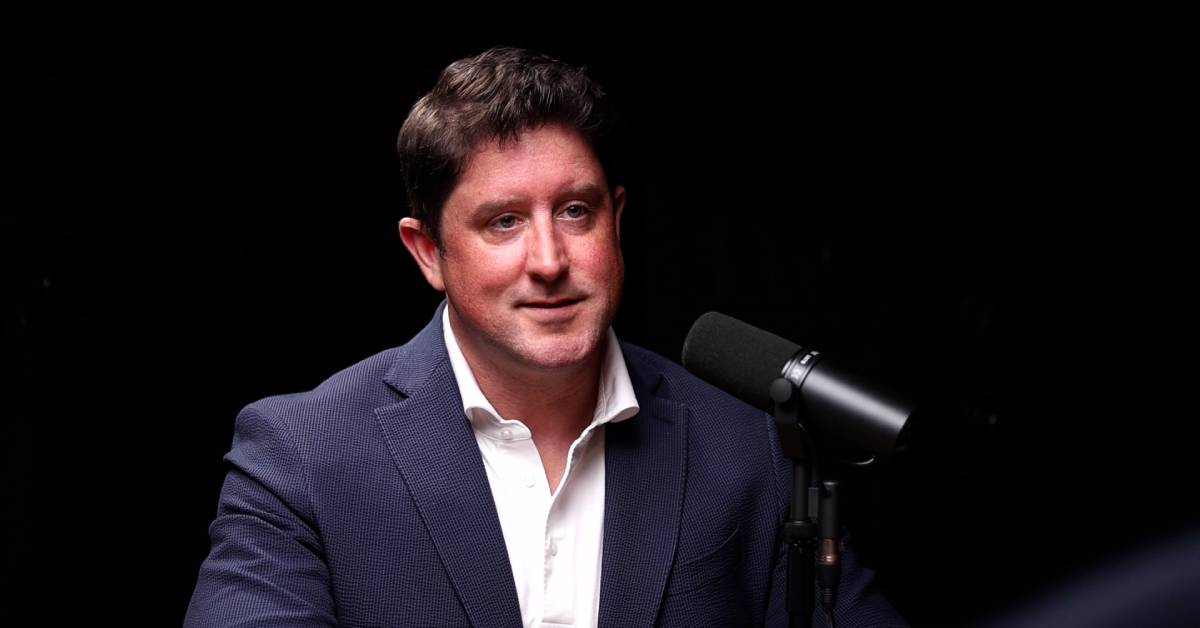
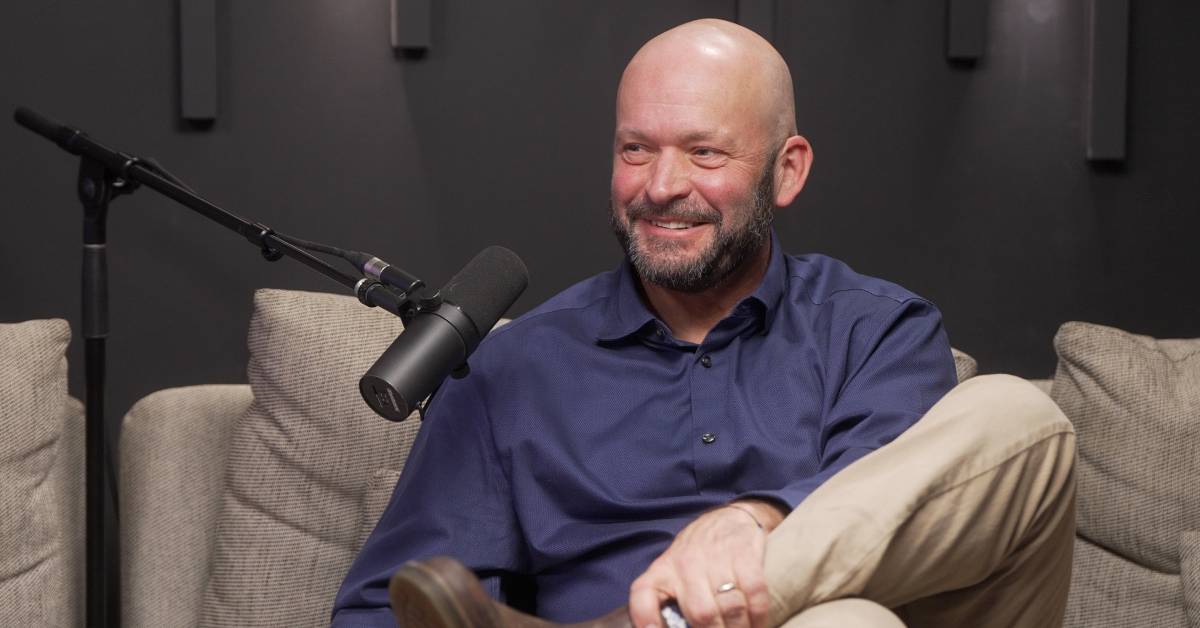
At this year’s Future Banking Summit in Brașov, Adastra Romania’s Country Lead, Cosmin Tudor, joined Razvan Enache, Advisor at Future Banking, for a short but insightful interview about what’s really happening in banking when it comes to data.
Watch the full video interview in Romanian:
The reality inside most banks? A lot of data, and not enough trust.
“You’ve got dozens of systems, overlapping processes, and business units generating new data daily. Without governance, it becomes impossible to know what’s reliable.”
– Cosmin Tudor
The bank Adastra supported had grown fast, through new services and acquisitions. As a result, data was scattered across environments, used inconsistently, and often duplicated — making even basic reporting a challenge.
Executives couldn’t fully trust dashboards. Teams recreated metrics. And compliance risks began to pile up.
What changed?
Together with the bank’s internal teams, Adastra helped them:
- Build a data glossary and catalog to standardize understanding across the organization
- Define ownership across key domains
- Implement governance processes for data access and change control
- Monitor data quality in real time
- Lay the foundation for broader analytics and AI adoption
“It’s not glamorous like launching a mobile app. But it’s what makes everything else work,” said Cosmin.
Governance isn’t a project, it’s a capability
As Razvan pointed out in the interview, many still treat governance like a box to check. Cosmin’s take? It’s a journey, one that evolves with the business.
“You’re never really ‘done’ with governance. New products, M&A, regulatory changes — they all impact your data landscape. The key is to build something that grows with you.”
For this client, that meant more than just technology. It included internal alignment, role definitions, and enabling business users, not just IT.
Adastra didn’t just design the framework they helped operationalize it. And crucially, stayed on to support post-implementation, ensuring governance became a living capability, not a static document.
Across Romania’s banking sector, the importance of governance is increasingly visible. A recent OECD overview found that Romania fulfills 67% of the criteria for the quality of its strategic integrity framework, well above the OECD average of 46%.
At the same time, the European Bank for Reconstruction and Development (EBRD) highlights that systemic banks in Romania are strengthening their resilience through evolving governance practices and new financing models. This is a clear signal that trust, and transparency are foundational to the sector’s long-term growth.
A long-term commitment to the Romanian market
Cosmin also shared a milestone: Adastra has now officially established its legal entity in Romania, after more than a decade of project delivery across banking, pharma, utilities, and retail.
“We’ve worked here for years. Now we’re here for real, with a local team and a long-term commitment to grow.”
Romania, he noted, is a strategic market for Adastra’s Eastern European presence, as part of its broader international expansion across Europe and North America.
What’s next?
Governance is no longer just about data control. It’s about business agility, trusted insights, and enabling innovation: Whether that’s launching AI use cases, responding to compliance needs, or better understanding customers.
“At the end of the day, decisions need data. But if you don’t trust the data, you can’t act.”
Explore how Adastra supports banks and fintechs.