Insights
Adastra and VW Group Co-presented AI-Driven Maintenance
December 4, 2025
Smart factories are no longer a vision of the future — they’re here. At the Smart Manufacturing Excellence Summit (March 12–14, Hilton Munich Airport), our Adastra team engaged with industry leaders on how data, automation, and AI are transforming manufacturing into a more resilient, efficient, and connected ecosystem. For us, the summit was not just about sharing expertise, but about aligning with key players on the strategic shifts that will define the industry’s next decade.
Adastra and Volkswagen: Transforming Maintenance with AI
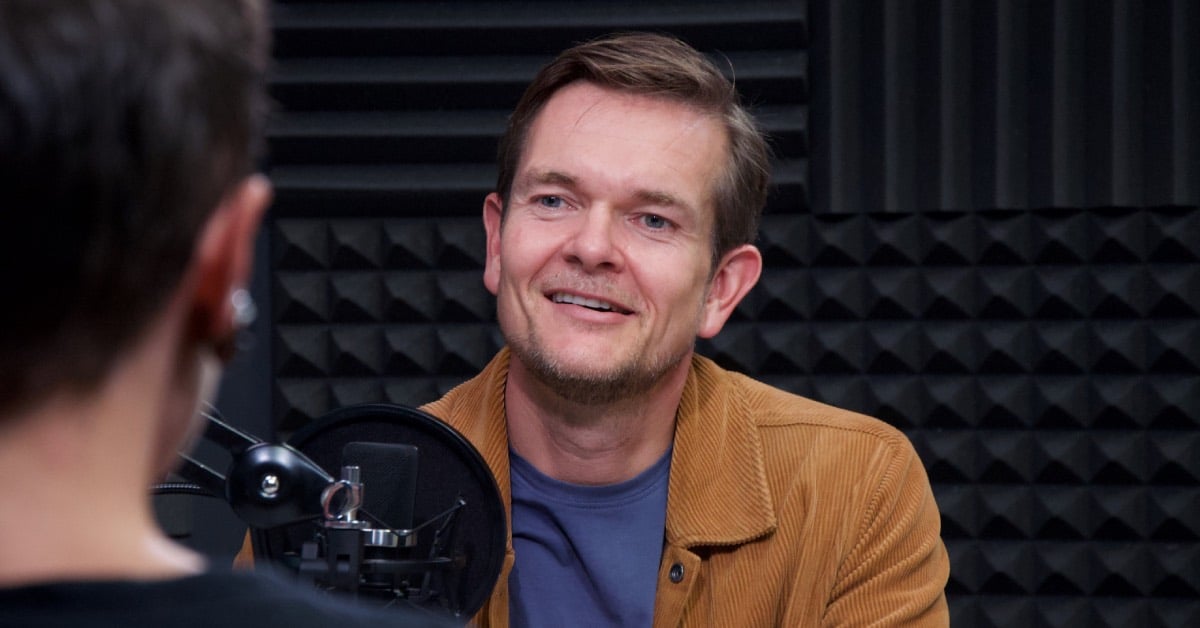
One of the summit’s highlights was a joint presentation by Adastra and Volkswagen Group: “Volkswagen Group Transforms Manufacturing Workflows with Adastra’s Generative AI Maintenance Bot”. This session was co-presented by Canhan Fidanoglu (Senior Data Engineer/Scientist at Adastra) and Jens Naumann (AI Product Manager at Volkswagen Group), who introduced our cutting-edge solution to the audience. The generative AI maintenance bot developed by Adastra on Amazon Web Services (AWS) specifically for Volkswagen’s factory operations gained widespread interest as a real-world example of AI improving manufacturing workflows.
The AI-powered maintenance bot essentially functions as an intelligent assistant for factory technicians, providing them with instant support on the shop floor. In our presentation, we demonstrated how it works and the benefits it brings:
Real-time Support
By leveraging generative AI, the bot provides conversational troubleshooting for machine issues, acting as a digital maintenance assistant that delivers real-time guidance to technicians. Traditionally, when a problem arises, maintenance teams must first search through historical error logs and then consult technical documentation to identify the right fix — a process that is both time-consuming and prone to delays. With the chatbot solution, these steps are automated: the system analyzes past error data, cross-references relevant documentation, and immediately generates a solution or a clear set of actions for the technician. In the case of a conveyor belt suddenly stops, the bot can instantly identify the most likely cause based on past incidents, pull the relevant technical instructions, and guide the technician step-by-step through the repair process. This drastically reduces downtime and allows experts to focus on higher-value tasks rather than repetitive troubleshooting.
Integrated Knowledge Base
The solution seamlessly integrates diverse data sources – including equipment manuals in PDF format and live data from SAP systems – into its responses, all within a secure and scalable AWS-powered framework. This means the bot can pull up the right information or guidance from a vast trove of documents and databases in seconds. In practice, two key sources are essential: first, the technical documentation that provides detailed instructions on how to resolve specific issues, and second, the historical error data that shows how similar problems were fixed in the past. By combining these sources into a unified knowledge base, the chatbot can deliver context-aware, highly accurate support to technicians. Instead of switching between different systems or searching through lengthy documents, maintenance staff receive instant, targeted answers that merge both historical insights and technical guidance — ensuring faster problem resolution and more efficient operations.
Operational Efficiency
With instant answers and clear step-by-step guidance at their fingertips, maintenance teams can resolve issues much faster — minimizing machine downtime and keeping production lines running. Instead of spending valuable time searching through manuals, digging into historical logs, or waiting for expert support, technicians receive immediate, context-aware solutions directly from the chatbot. By combining technical documentation with historical error data in a unified knowledge base, the bot not only accelerates troubleshooting but also ensures more consistent and reliable fixes. The result is a production environment that runs more efficiently, with fewer disruptions, greater productivity, and maintenance teams who can focus on preventing issues rather than constantly firefighting them.
Future-Ready Platform
The generative AI chatbot is more than a tool for solving today’s troubleshooting challenges — it’s a foundation for broader AI-driven workflows in manufacturing. Built on a modular architecture, the chatbot currently integrates two core data sources — technical documentation and historical error data — but can easily expand to additional sources with only modest development effort. As new connectors are added, the assistant will seamlessly draw on them, delivering responses grounded in an ever-broader data set. Equally important, the solution includes a built-in feedback loop: user input directly informs and refines the chatbot’s responses, ensuring that the assistant continuously learns and adapts to the realities of the shop floor. This combination of scalability and adaptability makes the platform future-ready — paving the way for advanced use cases and signaling the industry’s shift toward truly data-driven, autonomous operations.
Front-line teams now have effortless, immediate access to crucial machine information, and the system continually learns; its accuracy and usefulness improve over time through continuous user feedback from the end users. In essence, the AI assistant keeps getting better the more it is used. This tangible impact resonated with the summit audience. It was rewarding to see many attendees nodding along and recognizing that AI-driven assistants aren’t just buzzwords but practical tools that can make a real difference in manufacturing.
Innovation and Insights at the Summit
Adastra’s involvement in Munich went beyond our Volkswagen case study. Our colleague Dr. Johannes Mellenthin joined an engaging panel discussion on the roadmap to achieving a sustainable, net-zero factory. The panel brought together experts to debate how smart manufacturing initiatives can align with sustainability goals — a topic of growing importance as the industry faces mounting pressure to reduce its environmental footprint. A key takeaway from the discussion was that digital transformation and sustainability are not opposing priorities; they can reinforce each other. Panelists shared how manufacturers are increasingly leveraging data and AI not only to boost efficiency but also to drive measurable ESG outcomes:
Optimizing Energy Usage
Advanced analytics and AI models can continuously monitor energy consumption across machines and production lines, detecting inefficiencies and recommending adjustments in real time. This enables factories to reduce unnecessary energy use, cut costs, and lower emissions simultaneously.
Minimizing Waste
Smart sensors and predictive quality controls are helping manufacturers detect defects earlier in the process, reducing scrap material and rework. Combined with AI-driven demand forecasting, companies can better align production with actual consumption needs, minimizing overproduction and raw material waste.
Adapting to ESG Changes
With regulations and reporting standards evolving rapidly, digital tools provide manufacturers with the transparency needed to measure and report on sustainability metrics. From carbon accounting to traceability of raw materials, data-driven systems help companies remain compliant while demonstrating tangible progress toward their ESG commitments. To see the most recent changes, see our article :
Ultimately, the discussion underscored that the “factory of the future” will not only be connected and efficient, but also environmentally responsible. By integrating sustainability directly into smart manufacturing initiatives, companies can future-proof their operations and contribute to a greener industrial ecosystem.
Another memorable highlight was connecting with industry peers and learning about their innovative projects. We had a chance to meet our client Ingo Hild from ams OSRAM, who was attending as a speaker, and discuss the impact of a generative AI chatbot Adastra developed for ams OSRAM. Hearing how our AI solution is helping ams OSRAM’s workforce marked a leap forward in the evolution of manufacturing. Ams OSRAM is now streamlining the through a GenAI chatbot on AWS. This innovation significantly cuts search times, enhancing operational efficiency and productivity. It was inspiring to see that the AI assistant we developed can across the entire industry.
Overall, the summit revealed that the future of manufacturing will heavily revolve around digital innovation. Many talks and sessions emphasized moving beyond traditional automation towards fully integrated systems that can self-optimize and adapt in real time. There was a common theme that technologies such as generative AI, Internet of Things (IoT) connectivity, and advanced robotics are no longer experimental projects on the sidelines but are already influencing every facet of production and the supply chain today. Attendees shared firsthand insights about tackling contemporary challenges such as labor shortages and supply disruptions with smart solutions.
Looking Ahead
We left Munich feeling inspired and energized. The Smart Manufacturing Excellence Summit confirmed that AI-driven solutions are moving from theory to practice in manufacturing – and we are excited to be among the innovators making that happen. The positive feedback we received throughout the event truly fuels our passion for what we do. We extend a heartfelt thank-you to everyone who stopped by to chat with us and to our partners at Volkswagen Group for their trust and collaboration in bringing this project to life.
As we look ahead, we are more committed than ever to pushing the boundaries of what’s possible on the factory floor. The insights from the summit will guide us as we continue developing next-generation solutions for smart manufacturing. It’s clear that the journey toward fully intelligent, efficient, and even sustainable factories is just beginning. We’re proud to be on this journey with forward-thinking clients like Volkswagen and ams OSRAM, and we cannot wait to share more success stories and breakthroughs soon.